
7 Signs Your Body Needs a Massage for Stress Relief and Recovery
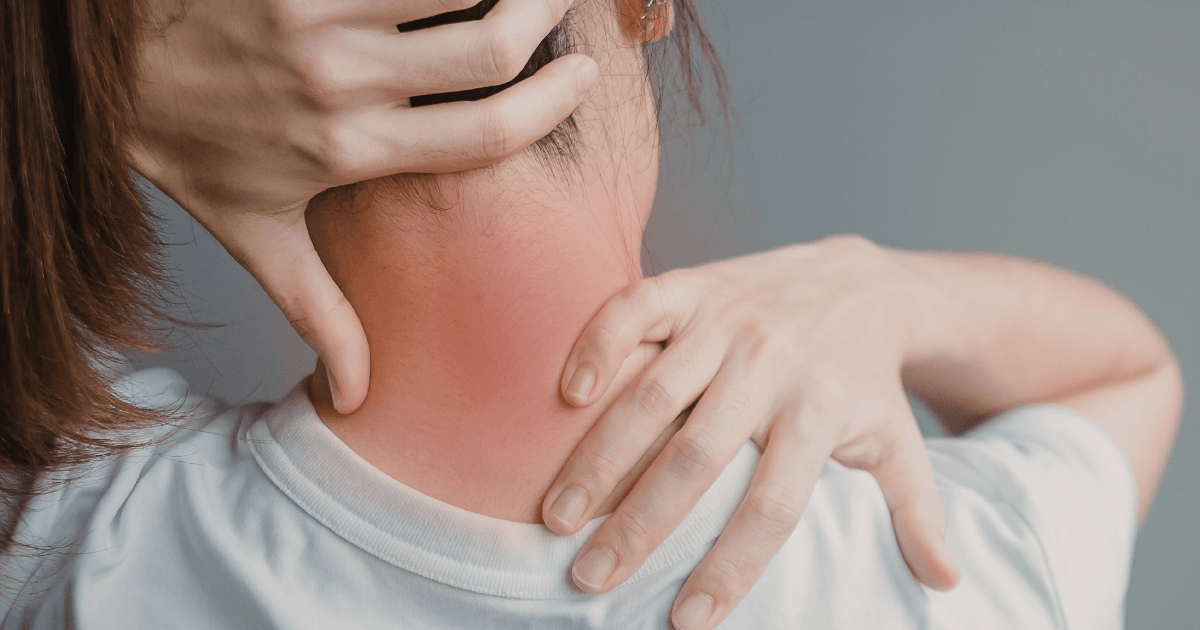
Your body constantly sends signals when it needs rest and recovery. Muscle tension, headaches, fatigue, and poor sleep are all common signs that your body may be under stress.
Massage therapy helps release tension, improve circulation, and calm the nervous system so your body can return to balance.
If you’ve been feeling physically tight or mentally overwhelmed, your body may be asking for a massage. Below are some of the most common signs to look for.
Persistent Muscle Tension
One of the clearest signs your body needs a massage is ongoing muscle tightness. Many people carry tension in their shoulders, neck, and lower back due to long hours sitting at desks, stress, or repetitive movements.
When muscles remain contracted for long periods, circulation becomes restricted and discomfort increases. Massage therapy helps relax tight muscles and improve blood flow, allowing your body to release built-up tension.
Between professional massages, many people find relief using simple recovery tools such as massage guns, foam rollers, or massage balls to loosen tight areas and support muscle recovery.
Frequent Headaches
Tension headaches are commonly caused by tight muscles in the neck, shoulders, and upper back. When these muscles remain tense, they can create pressure that contributes to headaches and discomfort.
Massage therapy helps relieve this tension and encourages the muscles surrounding the head and neck to relax.
Many people also find that combining massage with relaxation tools such as neck massagers, heated wraps, or acupressure mats can help reduce tension between massage sessions.
Poor Sleep
If you struggle with falling asleep or staying asleep, stress and physical tension may be affecting your nervous system. Massage therapy activates the body’s relaxation response, helping reduce cortisol levels and encouraging deeper rest.
Many people notice improved sleep quality after receiving regular massage therapy.
Creating a relaxing environment at home can also support better sleep. Aromatherapy diffusers, calming essential oils such as lavender, and weighted blankets are commonly used to promote relaxation and restful sleep.
Chronic Stress or Anxiety
Stress doesn’t only affect the mind—it also shows up physically in the body. Tight shoulders, jaw clenching, fatigue, and irritability are all common signs of stress accumulation.
Massage therapy helps calm the nervous system and encourages the body to move from a stress response into a relaxation state.
Taking time for relaxation practices such as massage, breathing exercises, and calming routines can help reduce the physical effects of stress on the body.
Reduced Flexibility
When muscles remain tight for long periods, your range of motion can become limited. Everyday activities such as stretching, exercising, or even sitting comfortably may begin to feel more difficult.
Massage therapy helps loosen muscle fibers, increase circulation, and improve flexibility over time.
Many people who exercise regularly include massage as part of their recovery routine, along with stretching tools like foam rollers or resistance bands.
Constant Fatigue
Fatigue isn’t always caused by lack of sleep. Poor circulation, stress, and muscle tension can make the body feel heavy and drained.
Massage therapy stimulates circulation and helps oxygen and nutrients move more efficiently throughout the body. Many people feel more energized and refreshed after a massage because the body is finally able to relax and recover.
Your Body Feels Overwhelmed
Sometimes the signs that you need a massage are subtle. You may notice irritability, muscle soreness, difficulty focusing, or a general feeling of physical tension.
These signals often mean your body needs rest and care.
Massage provides an opportunity for both the body and mind to slow down, release tension, and restore balance.
Helpful Tools for Relaxation
While professional massage therapy is one of the best ways to relieve tension, many people also use simple recovery tools at home between sessions.
Helpful options may include:
• massage guns for deep muscle relief
• foam rollers for stretching and recovery
• neck massagers for shoulder tension
• aromatherapy diffusers with relaxing essential oils
• acupressure mats for stress relief
These tools can help support muscle recovery and relaxation as part of a regular self-care routine.
Conclusion
Your body often gives clear signals when it needs rest and recovery. Persistent muscle tension, headaches, poor sleep, and chronic stress can all be signs that it may be time for a massage.
Taking time to care for your body through massage, relaxation, and self-care can help restore balance and improve overall well-being.
Listening to your body’s signals is one of the best ways to maintain long-term health and wellness.
Looking for a Massage Therapist?
Massage therapy is one of the most effective ways to help your body relax and recover from daily stress.
Soon you’ll be able to search for trusted professionals through the Royal Glo Wellness Network, where you can find qualified therapists in your area.
Until then, focusing on regular self-care and relaxation can help support your overall well-being.
Common signs include muscle tension, headaches, poor sleep, and ongoing stress.
Most people benefit from massage once or twice a month, depending on stress levels and activity.
Yes, massage therapy helps reduce stress hormones and promotes relaxation.
Deep tissue massage targets deeper muscle tension, while Swedish massage focuses on relaxation.

About Our Blog
Royal Glo is dedicated to helping you relax, recover, and restore balance through massage therapy, self-care, and wellness education.
Explore expert tips, massage benefits, and simple routines designed to support your body and well-being.
Soon, you’ll also be able to discover trusted massage therapists through the Royal Glo Wellness Network.
Get simple self-care routines, massage tips, and wellness insights delivered to your inbox.
Be the first to access our upcoming therapist directory.
Royal Glo Online Massage Institute LLC©